September 24, 2026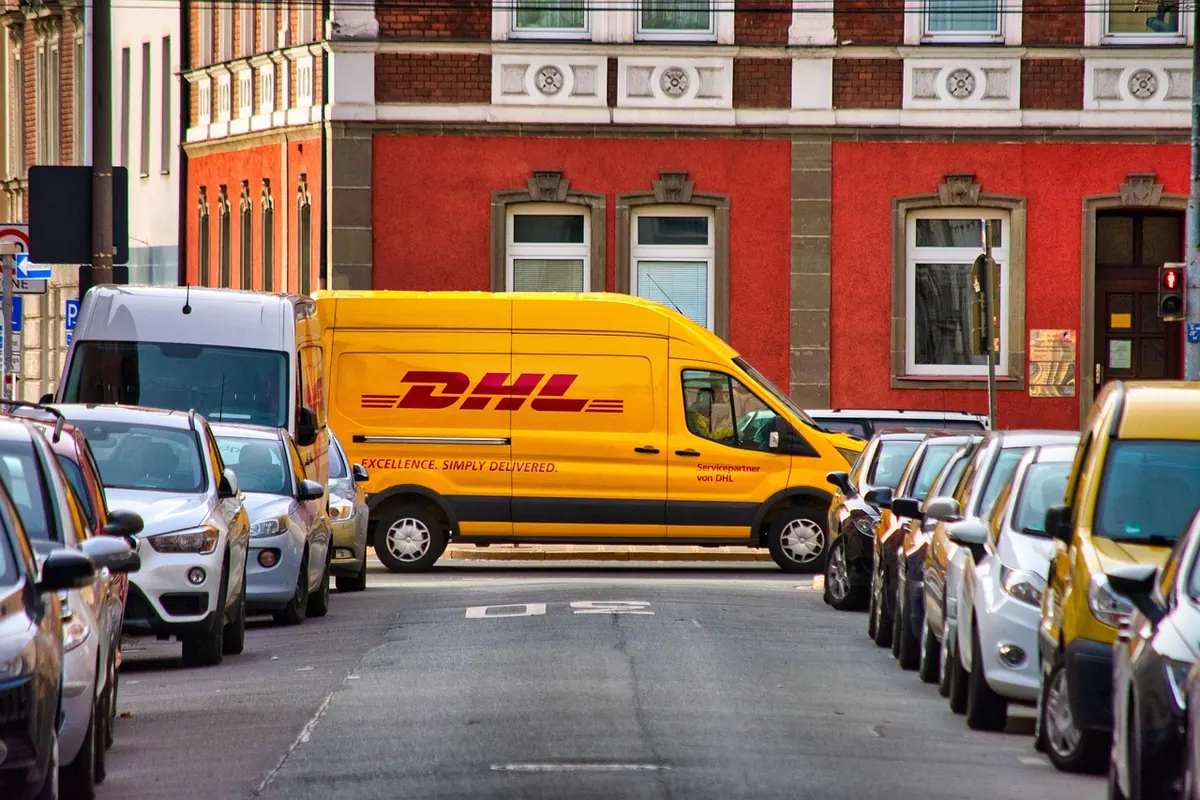
Roses ordered on 13 February and delivered on 15 February are not a romantic gesture — they are an apology. Valentine's Day is the one week of the year when floristry stops behaving like a normal retail business. Demand multiplies, couriers fill up, and the flowers you saw on a website may not be the flowers that arrive. None of that is bad luck. It is a system with rules, and once you know them you can plan around them.
Why Valentine's Day Breaks the Normal Rules
On a typical Friday, a florist might send out a few dozen arrangements. On 14 February, that number can multiply several times over, and almost all of it has to leave the shop in the same eight-hour window. Wholesale markets sell out of red roses days in advance. Vans that normally carry twenty bouquets are packed with sixty. Every part of the chain is working at capacity at exactly the same moment.
The result is a set of deadlines that exist for operational reasons, not to be difficult. Knowing them is the difference between a delivery that lands on the morning of the 14th and one that arrives, tired and drooping, on the 16th.
The Cut-Off Times That Actually Matter
There is no single national deadline. Each florist sets its own, based on where their flowers come from and which courier they use. Most fall into a predictable pattern:
- Standard delivery for 14 February: usually two to five working days before, so often by the 8th or 9th.
- Named-day or timed delivery: earlier still, often a week or more ahead, because timed slots are capped.
- Same-day delivery: usually closed entirely for the 14th, or offered only within a small radius at a premium.
- Bespoke or large installations: a fortnight or more, especially for a specific rose variety or colour.
- Add-ons: balloons, chocolates, vases and cards often have their own cut-off, sometimes earlier than the flowers.
Note the phrase "working days". If the 14th falls on a Saturday, the practical cut-off moves into the week before, because couriers do not run Sunday collections and wholesale markets shut over the weekend.
Ordering early does not mean earlier delivery
One thing catches people out: ordering on 1 February does not get your flowers to the door on 2 February, and it does not guarantee a morning slot either. Most florists queue Valentine's orders and route them by postcode on the day. Early ordering buys guarantees about what is sent, not when it arrives.
What "Cut-Off" Really Refers To
A cut-off time gets misread as "the last moment you can order". In practice, it is the point at which a florist can still guarantee two things: that the flowers will be sourced, and that the courier has capacity for the job. After that, orders are taken on a best-efforts basis — which usually means they are made, but with whatever stock is left, and dispatched when a van has room.
It also helps to separate two deadlines that are often advertised as one:
- Order cut-off: when the shop stops taking new guaranteed bookings.
- Dispatch or collection cut-off: when the last van or courier leaves the shop.
Miss the first and you may still be fine if you are local and can collect. Miss the second and nobody can help you, however charming you are on the phone.
Why Couriers Cannot Do What You Want Them To
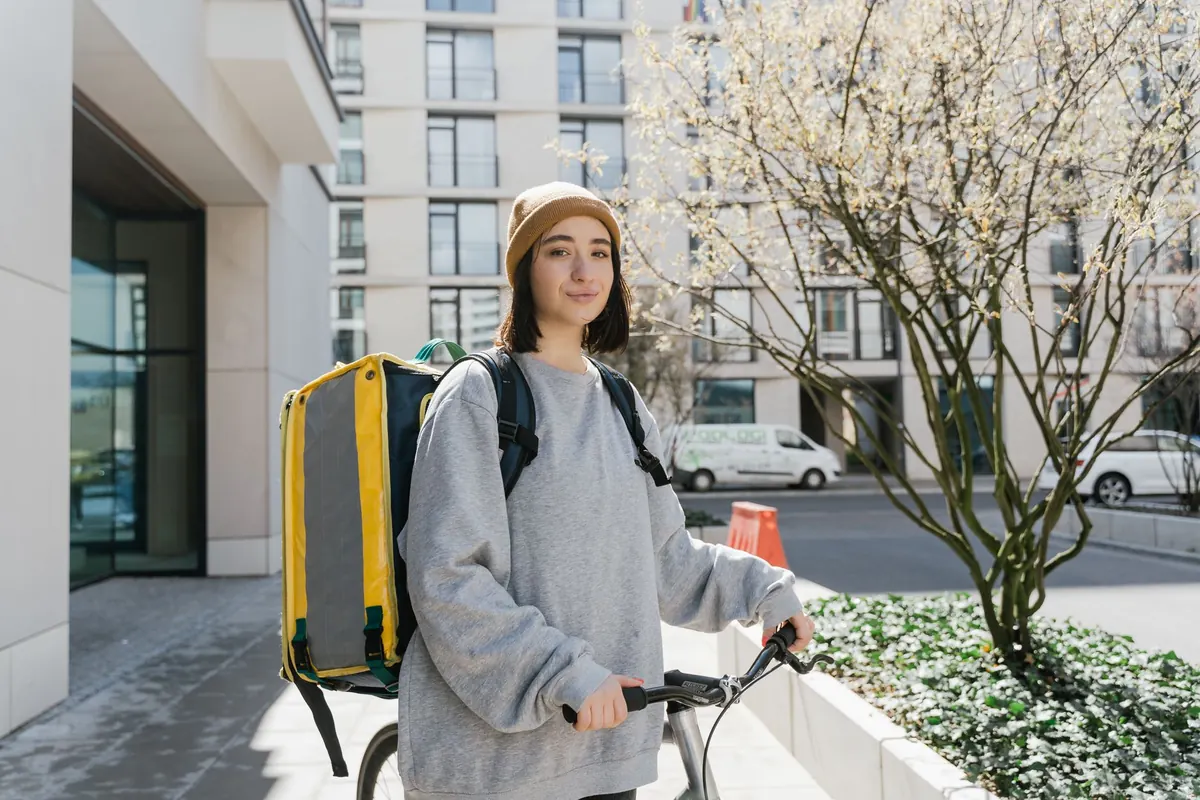
Courier networks are built for volume, and Valentine's Day is the closest thing floristry has to a stress test. A few practical limits are worth knowing before you promise your partner a specific time.
Timed slots are limited
Most couriers offer a handful of guaranteed windows per route. On 14 February those sell out first, often weeks ahead. Asking for "any time before 9am" on the 13th is usually a no.
Routes are built by postcode, not by sentiment
Drivers are assigned areas, not individual addresses. Your bouquet joins a run of thirty others. If the route hits traffic, a bridge closure, or a recipient who is not answering the door, everything after it shifts. That is why a florist will rarely promise a precise hour.
Workplaces, flats and gated properties slow everything down
Deliveries to offices, apartment blocks with entry systems, hospitals and hotels take longer per drop. Many florists ask for a mobile number for exactly this reason: a recipient who does not answer can mean a failed delivery and a redelivery charge.
Fresh flowers will not sit in a van all day
Roses are happiest cool and hydrated. A bouquet that spends nine hours in a warm vehicle looks tired by the evening. That is one reason florists front-load morning deliveries and stop promising late drops.
Why Substitutions Happen
This is the part that causes the most upset, and it deserves an honest explanation. A florist working from a photograph on a website is working from a design, not a shopping list. In a normal week they can buy almost exactly what is pictured. In Valentine's week, they often cannot.
What tends to run out, or become unreliable:
- Red roses. The single most over-ordered stem of the year, in every grade and length.
- Specific colours and varieties. Deep burgundy, coral, or a named garden rose you spotted in a photo.
- Seasonal fillers. Ranunculus, certain eucalyptus varieties and unusual foliage disappear quickly.
- Containers and vases. If the design uses a particular ceramic pot, that too.
Good florists plan substitutions in advance. A reputable shop will usually follow three rules: keep the colour palette and overall shape, keep the value equal or better, and never swap in something that changes the meaning of the gift. If you ordered red roses, you should not receive a mixed pastel bouquet without anybody telling you.
If a substitution would change the look or the sentiment of your order, the florist should contact you before making it — or refund you. That is a fair expectation, and most established shops honour it.
Where substitutions are agreed in advance — often via a tick box at checkout — the shop has more freedom to send something beautiful rather than cancel altogether. That flexibility is usually a good thing, but only if you understand what you are agreeing to.
How to Get Exactly What You Want
- Order at least a week ahead, ten days if you are sending to a workplace or another city.
- Give a mobile number for the recipient. It solves most failed deliveries.
- Write clear instructions: buzzer code, floor, reception opening hours.
- Ask what happens if the roses are unavailable, and check it appears on your order confirmation.
- Choose a florist local to the recipient, not to you. Distance costs money and accuracy.
- If the date is flexible, say so. A 13th or 15th delivery is often calmer and better value.
- Keep your confirmation and note the shop's phone number, not just the website.
A Realistic Plan
Book early, expect a window rather than a moment, and treat substitutions as a normal part of a peak week rather than a swindle. If you need a specific time, variety or colour, say so when you order and be ready to pay for the guarantee — or to send something else.
And if the flowers arrive a day late, or in a slightly different shade of red than you pictured, remember what the delivery actually is. Nobody remembers the stem count. They remember that you thought about it in advance, which is the whole point.
Photo: useche360 / Pixabay