September 17, 2026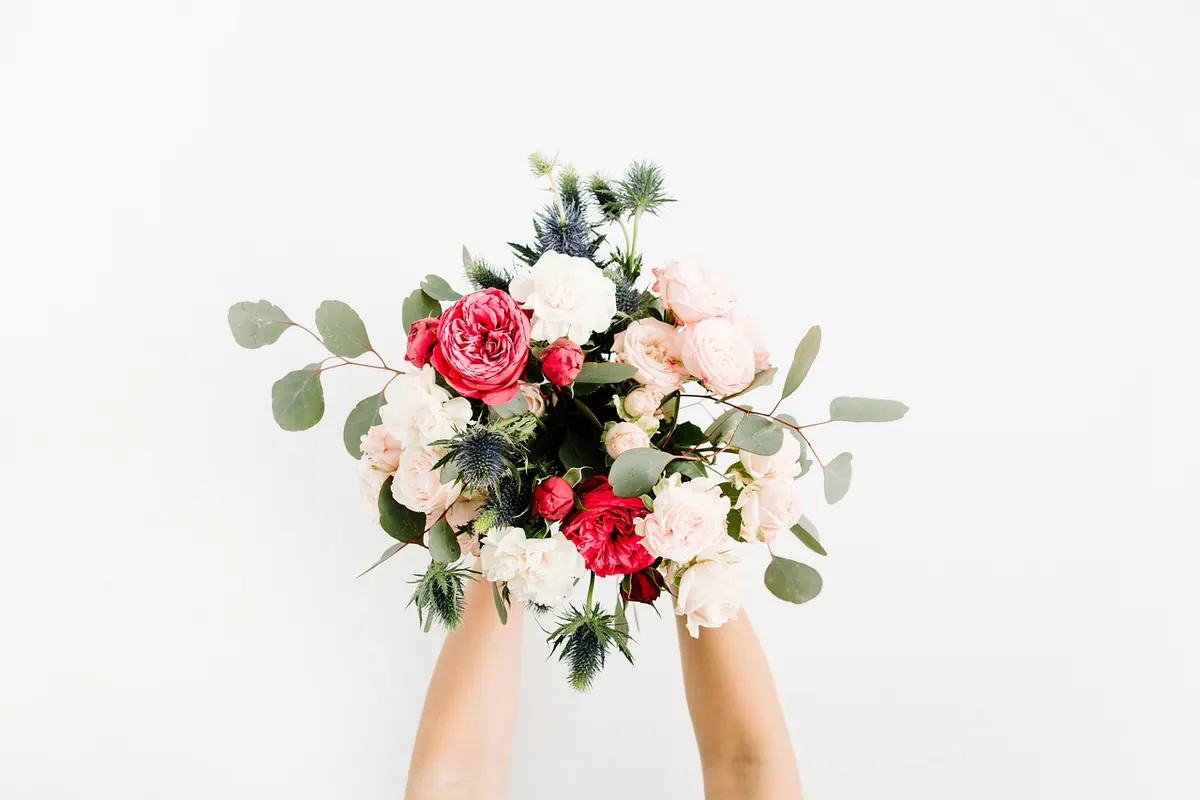
Flowers are one of the few wedding details you book more than a year ahead and then confirm in the final fortnight. That long gap between booking and ordering catches couples out. You fall in love with peonies in July, book a florist in October, and only discover in March that your date sits outside the British peony season.
This checklist covers what to decide, what to order and roughly when — so nothing gets forgotten in the last hectic weeks.
Start With the Day, Not the Flowers
Before you speak to a florist, get clear on three things: your venue, your colour palette and your overall flower budget. A marquee in a field needs very different planting from a Georgian ballroom with high ceilings. The room dictates scale; the palette dictates the rest.
Be honest about money from the first conversation. If you tell a florist your total figure, they can shape a scheme that works within it — perhaps more foliage and fewer stems, or a generous mantelpiece arrangement instead of twelve identical table centres. Vague budgets lead to quotations you have to unravel later.
Collect images: a mood board of five to ten pictures is far more useful than thirty. Add anything you definitely don't want, whether that's baby's breath, strong scent or a particular shade of orange.
A Realistic Booking Timeline
- Twelve months or more: Book your florist. Peak Saturdays from May to September, and December dates, go early. Ask about their availability for delivery and set-up on your date, not just the design.
- Nine to twelve months: Share your brief and receive a detailed quote. Check what's included — delivery, installation, collection, hire of vases and arches, and whether VAT is added.
- Six months: Confirm the shape of the order: how many bouquets, buttonholes, table centres and large pieces. Visit the venue together if you can.
- Three months: Refine flower choices with the season in mind, and discuss any allergies or scent concerns. This is the point to arrange a sample or mock-up if you want one.
- Six weeks: Lock in numbers, send the floor plan and seating plan, confirm delivery times and who will be on site to receive everything.
- Two weeks: Final count, final payment usually due, and a contact number for the day itself.
The Bridal Party: What to Order
This is the part most people picture, and it's usually the easiest to count. Work through it person by person.
- Bridal bouquet, plus a spare or a smaller version if you want one for the photographs
- Bridesmaid bouquets — or wrist corsages, which suit small children better
- Buttonholes for the groom, groomsmen, fathers, grandfathers and any reader or usher you want to include
- Corsages for mothers and grandmothers, if they'd like one
- Flower girl basket, posy or petal wand
- Hair flowers for anyone wearing them — ask for these wired rather than loose
- Thank-you bouquets for parents or hosts, delivered on the morning
Add one or two spare buttonholes. Pins go missing, stems snap, and a last-minute guest of honour is a common surprise.
Ceremony Flowers
Where will guests look while they wait? That's where flowers earn their keep. Consider the entrance, the aisle, the spot where you'll stand, and any table holding the register or order of service. An arch or moongate frames the vows; two urns at the top of the aisle do similar work for less money.
Ask your florist which pieces can be moved to the reception afterwards. Ceremony urns and pew ends often double as bar or entrance arrangements, and it's worth planning that journey in advance rather than hoping someone will improvise.
If you're having confetti, check what your venue permits before ordering petals. Many places ask for dried or biodegradable options, and loose fresh petals need to be prepped and bagged the day before.
Reception Flowers
Tables come first, but don't stop there. A reception with nothing but centrepieces can look oddly patchy — one or two statement pieces elsewhere pull the whole room together.
- Top table or head table arrangement
- Guest table centres — decide on height early, since tall designs need to sit above eyeline so guests can talk across the table
- Bar, welcome sign or entrance table
- Cake flowers, either fresh or sugar-matched by your cake maker
- Card and gift table, guest book table, photo booth backdrop
- Loo posies — a small touch that guests genuinely notice
If your venue restricts naked flames, ask about LED candles or enclosed holders when you discuss table designs.
The Final Fortnight: Logistics That Save the Day
Numbers are the obvious thing to confirm, but timing matters just as much. Ask your florist:
- What time will they deliver, and can they set up before guests arrive?
- Who water-checks the arrangements during the day, if anyone?
- Which arrangements get moved, and by whom?
- When will they collect hire items, and what happens if the venue locks up early?
Give them a single named contact for the morning — usually whoever is at the venue earliest, not the person having their hair done.
Money and Contracts: Ask Before You Sign
Read the terms properly. Most florists take a deposit to hold the date and ask for the balance shortly before the wedding. Check the cancellation and postponement policy, and ask what happens if a particular flower fails to arrive — a good florist will have substitutes in mind and will tell you honestly what the difference will look like.
Confirm whether VAT, delivery, installation, hire and collection are inside or outside the quoted figure, so you're comparing like with like. If anything in the contract is unclear, it's worth taking proper advice before you commit.
A Last Check Before the Big Day
Two weeks out, run through this list one final time with your florist in writing:
- Final counts for bouquets, buttonholes, corsages and table arrangements
- Full delivery address, access details and parking notes
- Arrival time, set-up time and collection time
- Your day-of contact name and number
- Any allergies, sensitivities or flowers to avoid
- Balance paid, and a copy of the final order saved on your phone
Do that, and the flowers will be the least stressful part of your morning — which is exactly how it should be.
Photo: amydiycraft / Pixabay